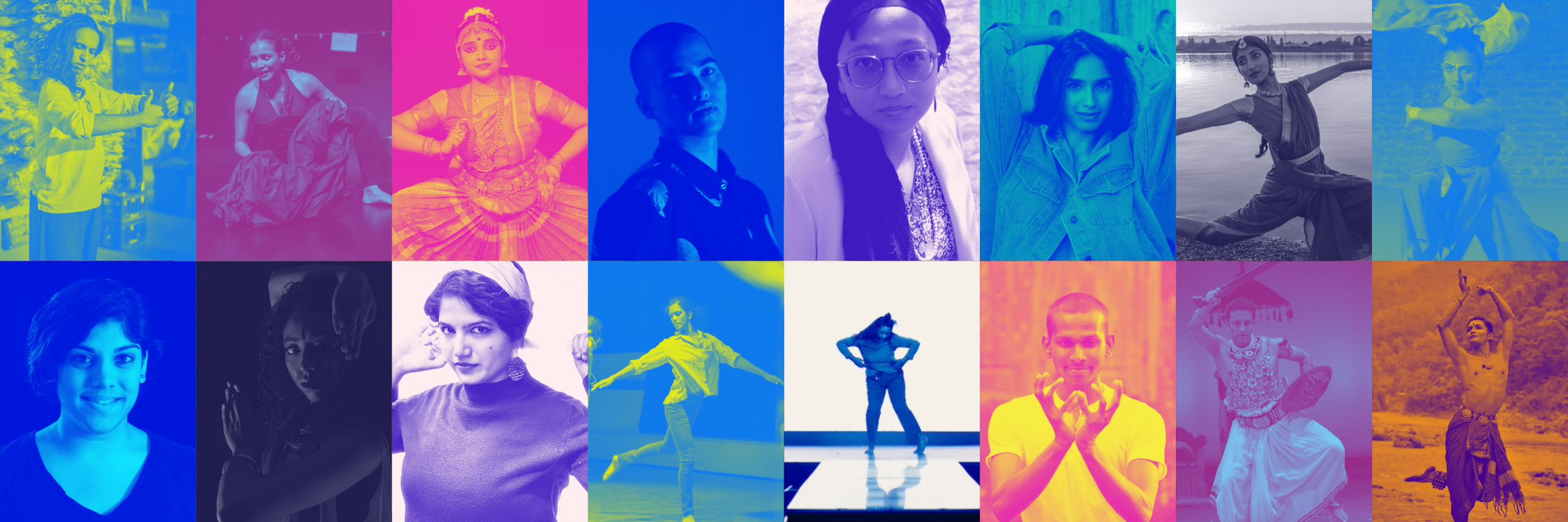
Congratulations to the 2026 Unrehearsed Artist Cohort!
Read on to learn more about the program and our 7 new artists!
Unrehearsed (Virtual) Artist Residency Program

Cartoon by Veena Basavarajaiah. The artist uses illustrations to address issues of the art world through the insta profile @cartoon_natyam
Nava has been facilitating the Unrehearsed Artist Residency Program, a virtual program that funds and supports South Asian dance and movement artists from many different backgrounds, genres, and identities. Many of these artists are challenging the status quo, which often prevents us from witnessing certain stories or points of view. The artists self-define what challenging the status quo means to them and then show up with their art in the most beautiful, deep, and personal ways.
The cohort has 6 monthly meetings while working on their projects separately, and the residency will culminate in a virtual Work In Progress Sharing in September. Each cohort member receives an award of $1500, and up to $2500 in production support for US based artists, and up to 40,000 INR for India based artists.
Follow us on instagram or sign up for our mailers to stay updated about the artists process and virtual public sharings.
Meet the 2026 Cohort!
-
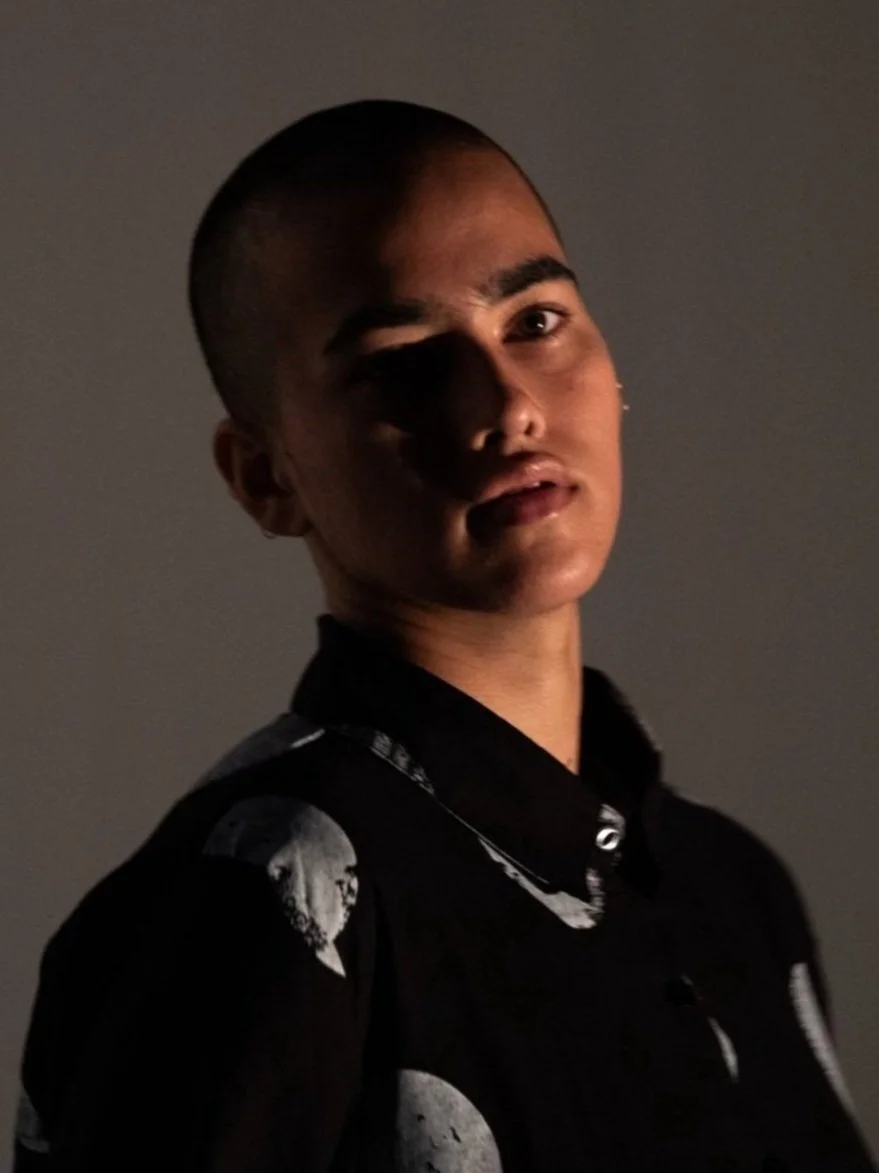
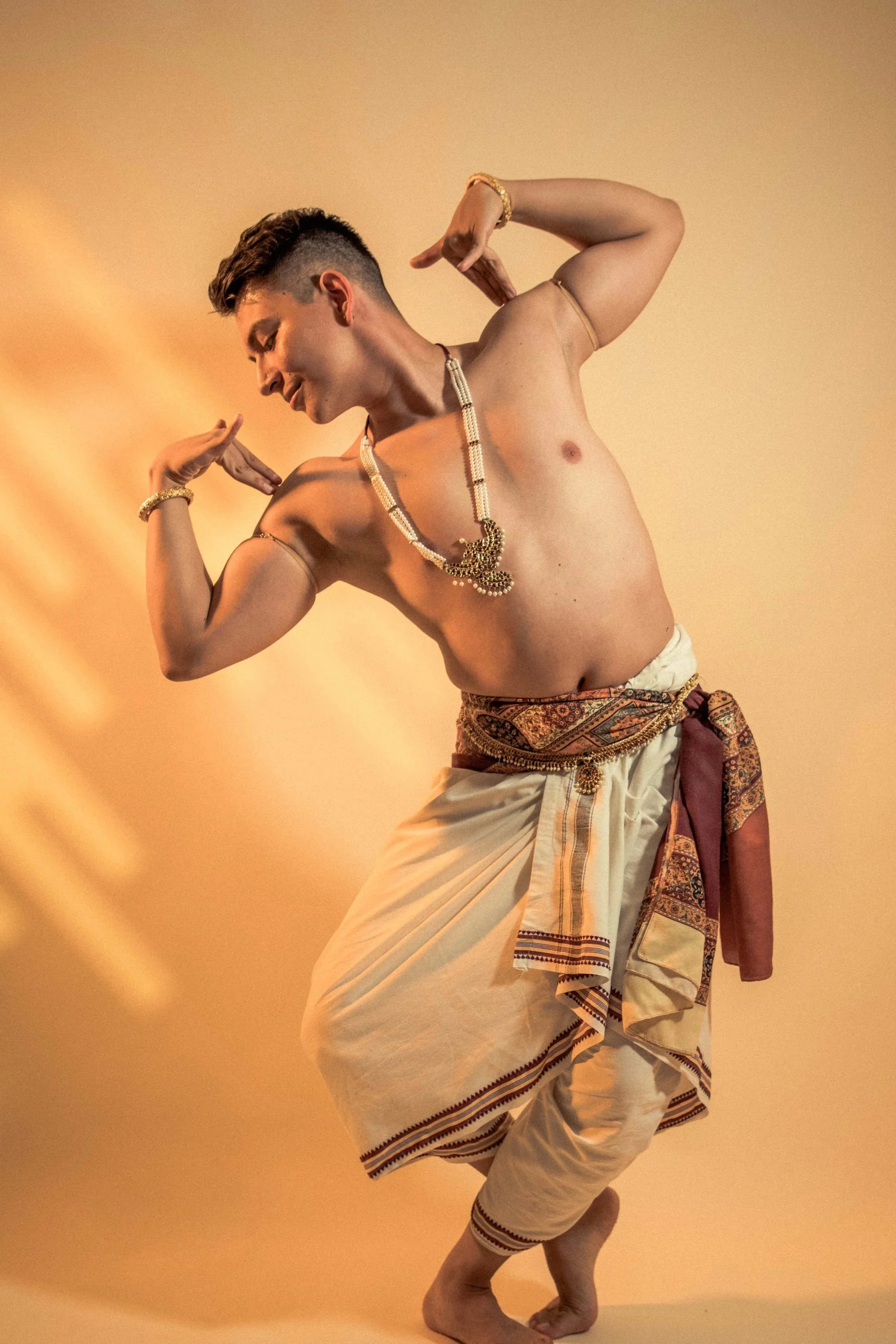
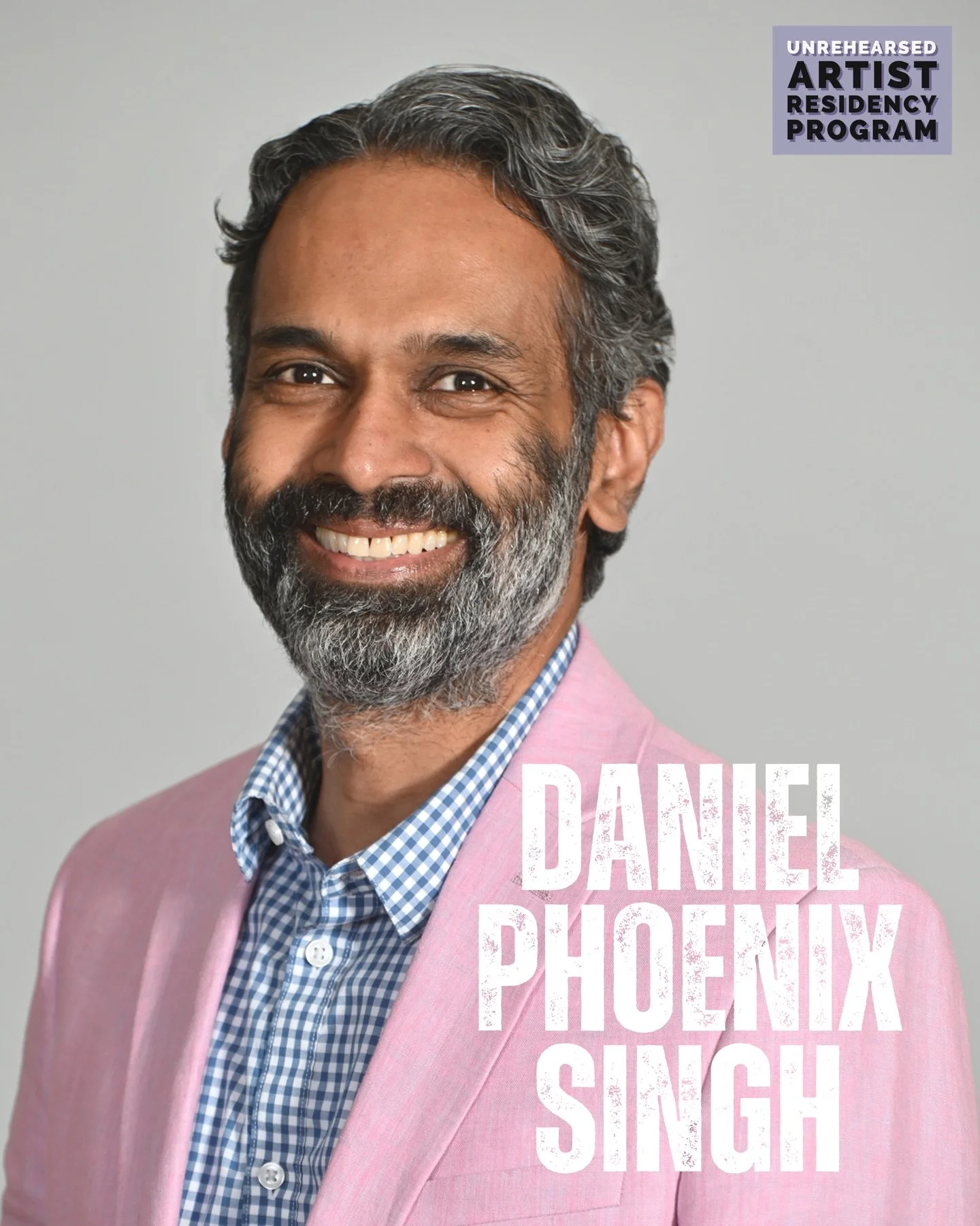
Daniel Phoenix Singh has worked in Higher Education, the field of Dance, Queer Communities, South Asian Communities, and in Arts practice, policy, and funding at local and national levels.
Daniel began his journey in Bharata Natyam with Guru Meena Telikicherla of Nrityanjali. In his modern dance practice, Daniel was mentored by Pamela Mathews as curiosity took him from computer science to a dance major in college. He is deeply grateful to Lorry May, Harriet Moncure Williams, and Karen Bernstein for helping shape his choreographic voice. Mallika Sarabhai, Madhavi Mudgal and Leela Samson in India have broadened his perspectives on the space Indian dance forms can occupy within the body, in the pedagogy, and in the field of dance.
He acknowledges the complicity and internalization of colonial, racial, and caste-based oppressions in his life and works hard to approach issues from an anti-caste, anti-colonial, and anti-racist perspective in all his work, especially dance. He has been influenced by the work of Erode Venkatappa Ramasamy (aka Periyar), Bhimrao Ramji Ambedkar, Rabindranath Tagore, Arundhathi Roy, Toni Morrison, Nrithya Pillai, Pallabi Chakravorty, Vidhya Shanker, and particularly Justin Laing who work from anti oppression frameworks.
He is a single parent to amazing twins who have been his foremost teachers and test his improvisational skills every day.
-
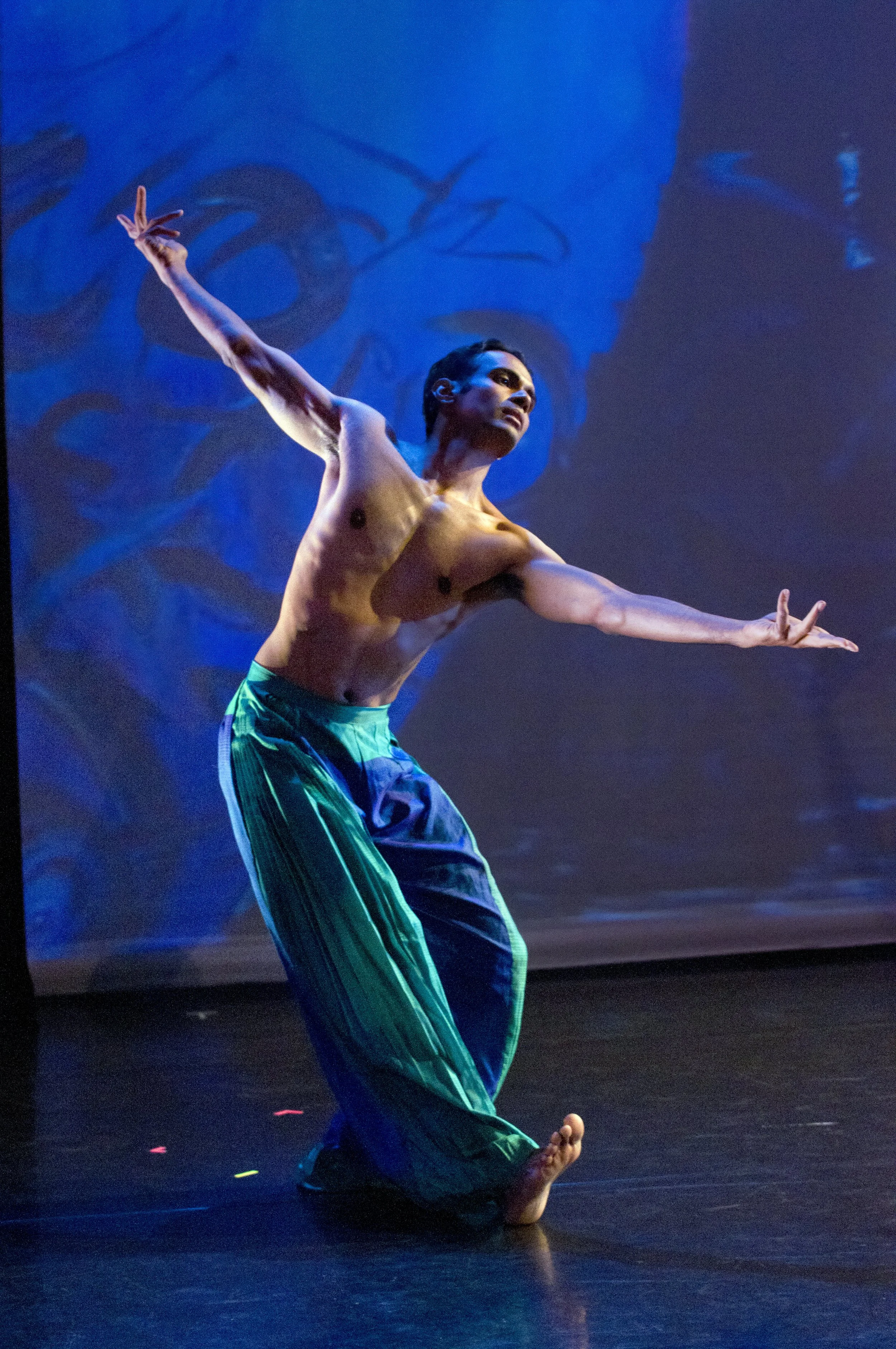
Ricardo Román Torres is a dancer based in Mexico City. His love for Kuchipudi has taken him far in his training and artistic development.
He began studying Indian performing arts in 2015 through Bharatanatyam and Mohiniyattam courses at the Gurudev Tagore Indian Cultural Center. In 2018, upon discovering his interest in Kuchipudi, he began formal training under Yamini Saripalli and Kasi Aysola, initially online and through frequent travel to the United States. He currently continues his studies as a disciple of Smt. Kalpana Sreenivas Jayanti.
In December 2022, he completed his Rangapravesam in Chennai, India, with community support via GoFundMe. He performed in Nandanar Charitam, taking a small role, and in March 2023 participated in the Intersections Dance Festival in Washington, DC, as a crew member of Prakriti Dance Company presenting Through Fish Eyes.
Ricardo organizes Indian performing arts events in Mexico, including performances, workshops, and classes. He has also pursued coursework in dance history and critical dance studies with Priya Srinivasan and Yashoda Thakore, shaping his interest in presenting alternative narratives within Indian performing traditions, particularly in foreign contexts such as Mexico.
Recently, he has explored choreography, collaborating with Ixchel, a Carnatic violinist, and the poet Ricardo Rosales, aiming to create works connected to his context and identity. His teaching of Kuchipudi, especially to children, has further inspired him to explore new directions in the practice.
-
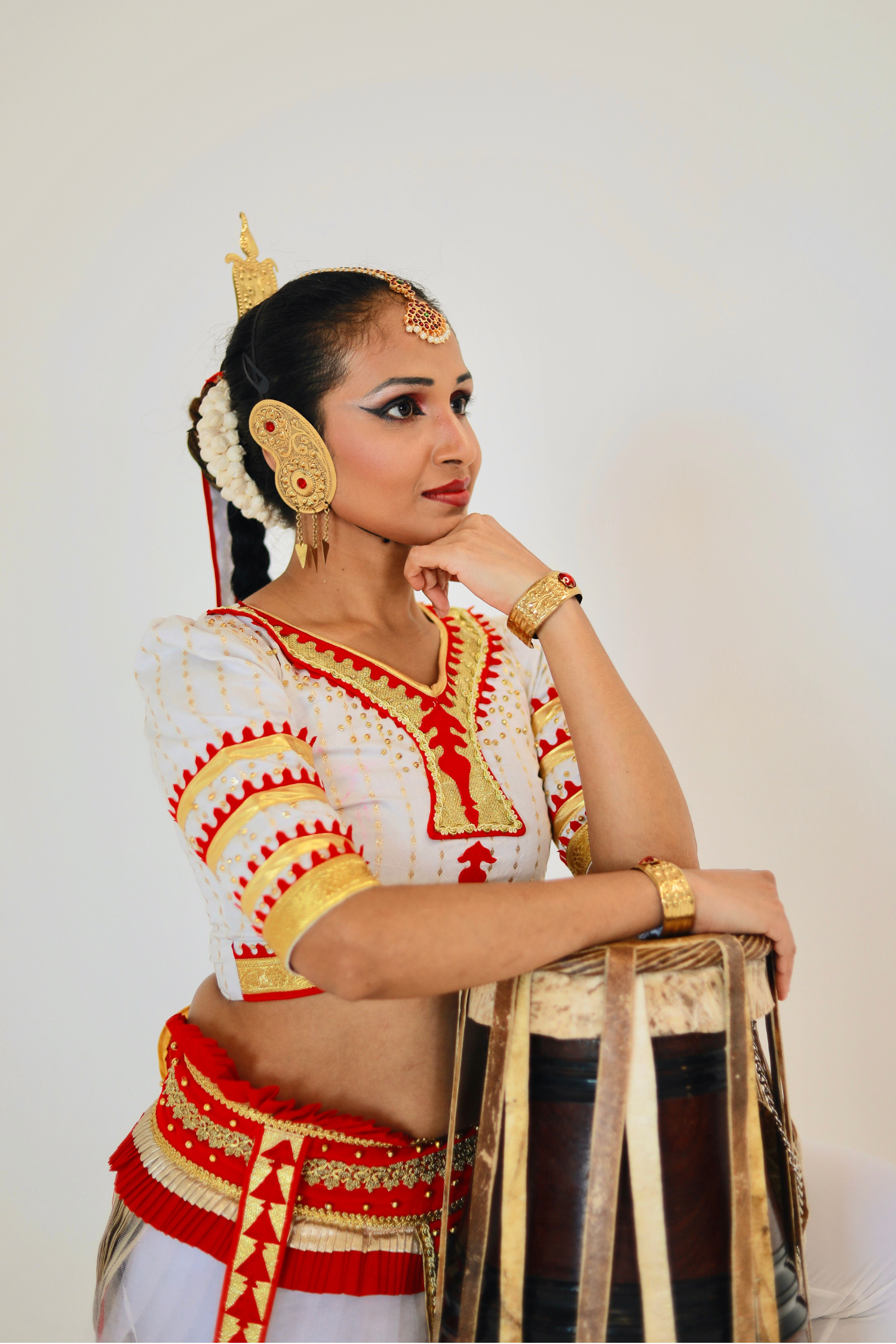
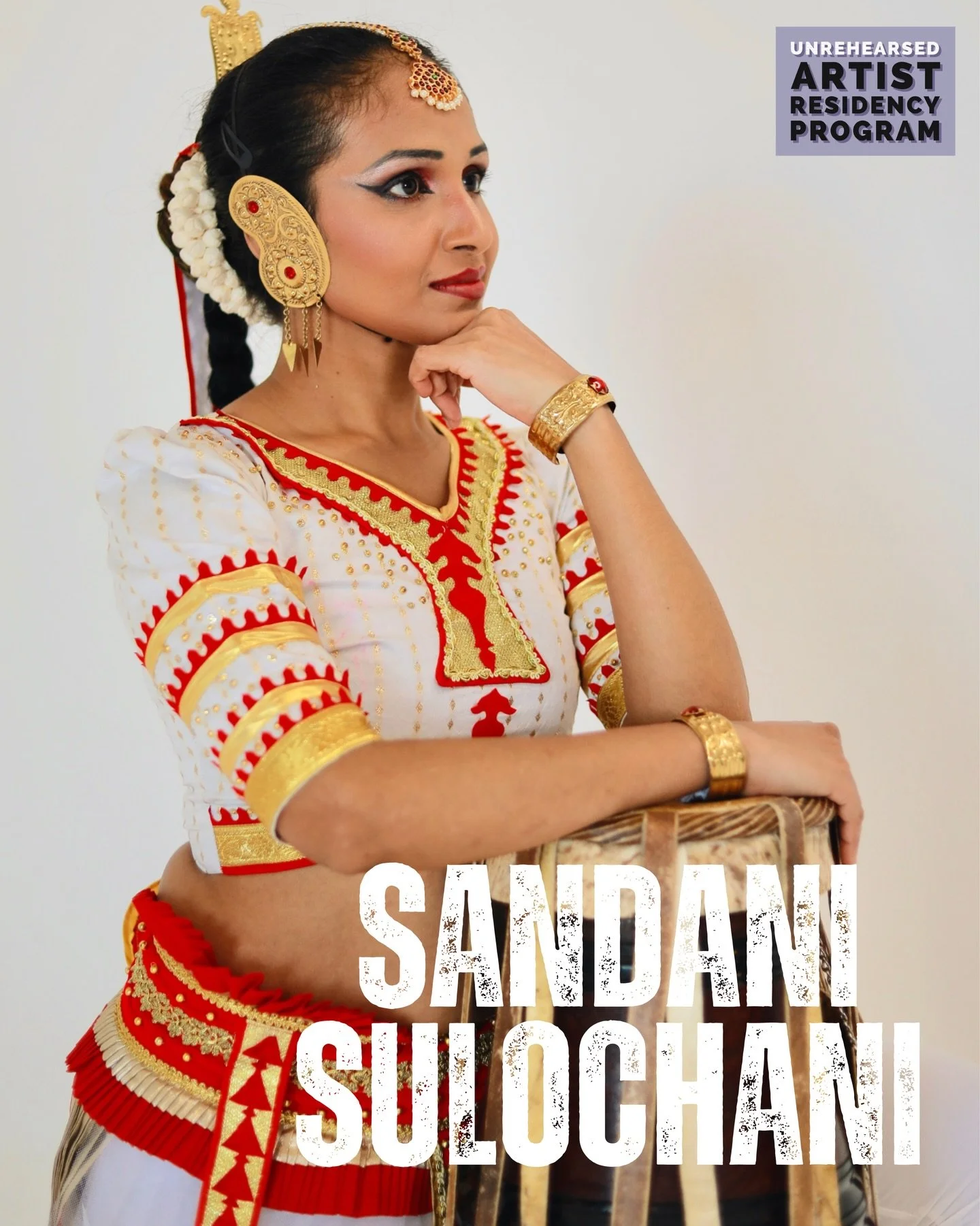
Sandani Sulochani is a Sri Lankan dancer, choreographer, teacher, and scholar with rare training in all three of Sri Lanka’s traditional dance forms: Kandyan, Low-Country, and Sabaragamuwa. Though she started learning dance in primary school, earning multiple dance competition awards by the Ministry of Education, her profession as a dancer was shaped by her experiences learning, teaching, and performing at the Chitrasena Dance Company, Sri Lanka's oldest modern dance company. Her time with the company took her to international stages, including a landmark performance of Samhāra at the MET Museum in collaboration with the Nrityagram Dance Ensemble. Sandani holds a Master’s degree in Dance from the University of Kelaniya, where her dissertation examined the pivotal role of Chitrasena Dias and Vajira Chitrasena in transforming Kandyan dance from a male-dominated ritual practice into a modern performing art. While in Sri Lanka, Sandani also taught dance at Ladies' College Colombo and the University of Kelaniya. Now living in the United States, Sandani teaches across the Sri Lankan diaspora and co-founded SandaWaruna Art of Dance with her husband and drummer, Waruna Hemachandra. Through performance, pedagogy, and research, Sandani is committed to expanding the visibility of Sri Lankan dance for global audiences.
-
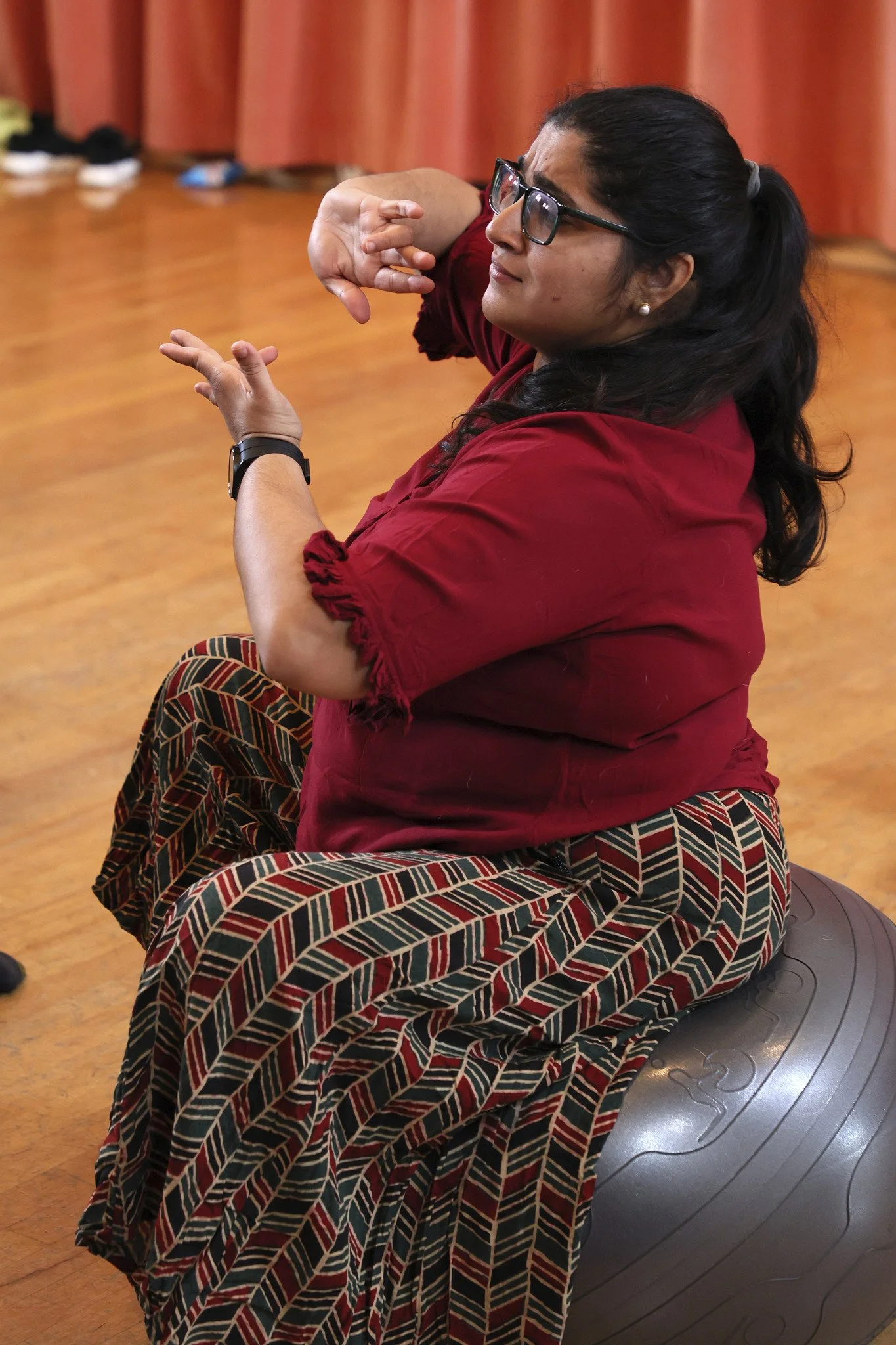
Akhila Vimal C is a performance theorist, ecocultural strategist, and disabled mover exploring how bodies think, remember, and resist. Her work moves between intercultural performance traditions, access-centered pedagogy, and ecological justice. Her recent interest turns toward forgotten stories and traditional storytelling methods—an academic focus now evolving into an artistic inquiry. She treats these narrative lineages as living archives that shape how communities hold memory and continuity.
She builds frameworks for cultural continuity and accessibility through research, creative practice, and community-led knowledge. She founded AccesIndia Collective, a practice-based initiative developing access-driven approaches for arts spaces, institutions, and community environments, including access consultancy for diverse public and cultural contexts.
Across her work, she explores access not as an afterthought but as a generative artistic logic—one capable of imagining new futures for performance, spectatorship, and collective life.
-
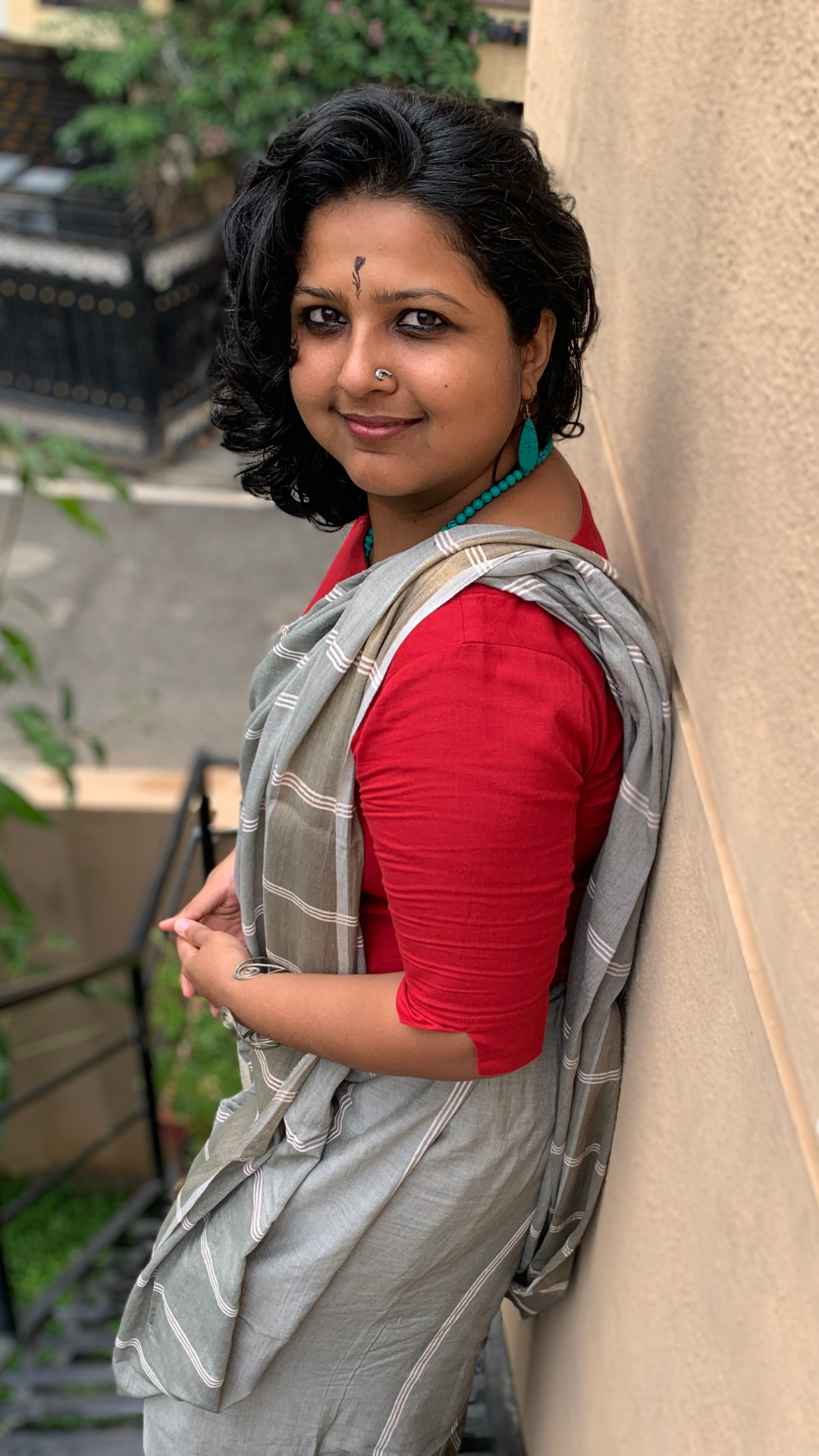
Varsha Iyengar is a movement practitioner and creative technologist based in San Francisco, USA and Bangalore, India. Her work integrates movement and technology to create multifaceted immersive performance environments rooted in inquiry and multidisciplinary collaboration, inviting equitable and critical examinations of technology within an arts practice.
Her current project, Decoding Digital Bodies [https://www.decodingdb.org/] is a collaboration with Jessica Rajko that investigates how movement influences robotics research and development, with a particular focus on Boston Dynamics Spot robots. She is also directing and producing an international project based in India titled "Where Things Go", an exploration of the intricate and often unseen relationships we have with everyday objects and technological tools.
Varsha's dance practices are rooted in Bharatanatyam and Contemporary dance. In the past, she has been a dancer for Nritarutya, an Indian Contemporary dance company in Bangalore, India. As a founding member of Driven Arts Collective, a California-based collective, Varsha has developed works such as CELSO, Khora, and Digital Milk, which explore themes of digital futures co-authored by humans and AI-driven emerging technologies. These pieces have been presented at CounterPulse, SAFEhouse Arts, and ODC in San Francisco, supported by grants such as the CLTC. Her academic work and research on data capture and analysis of vernacular movement have been presented at multiple conferences including MOCO and CHI. She also sits on the Board of Directors at CCAM, an artist-run platform based in Chicago.
-
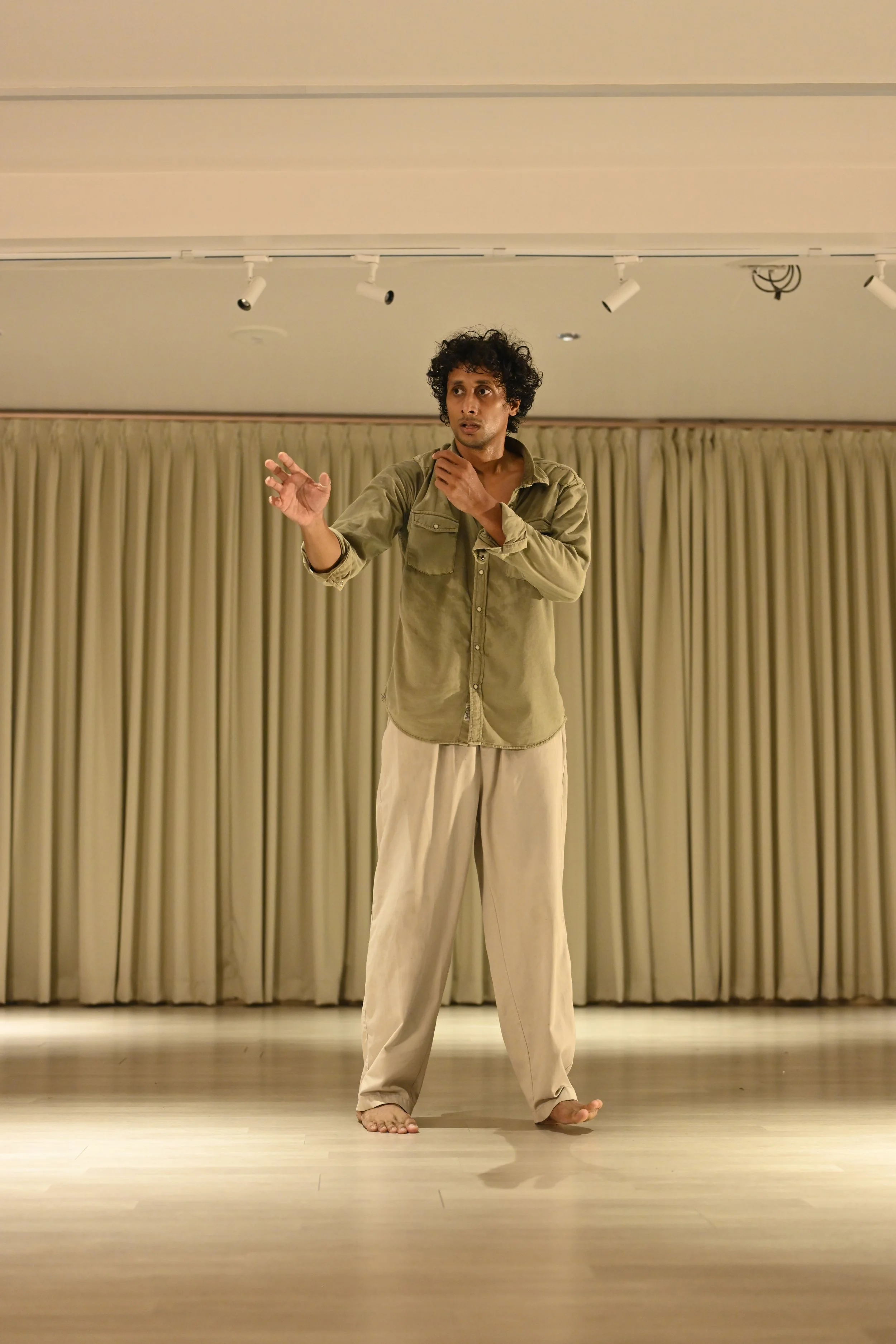
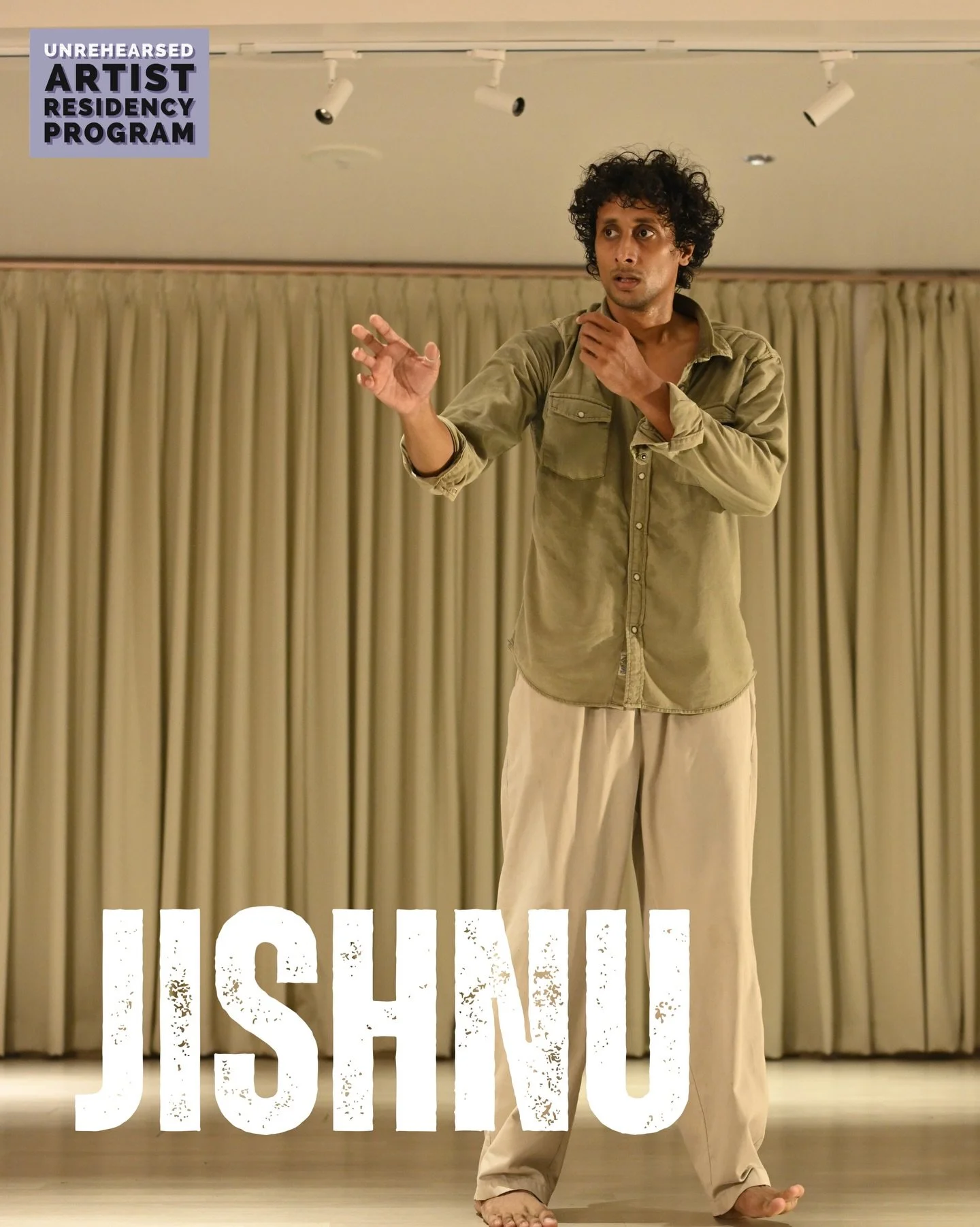
Jishnu is a movement artist and performer trained in Contemporary, Hip-hop, House, Locking, and Kalari. He has studied under various teachers and received mentorship from artists across India and abroad. At 30, he holds a bachelor’s degree in English Language and Literature.
Jishnu completed a 7 week residencial program on somatic movement in Greece and multiple intensive residetial movement programs in India.
His work often carries traces of his preparation for the civil services examination, reflecting a deep engagement with critical thought and inquiry. Through his performances, Jishnu seeks to pose difficult questions and encourage audiences to think for themselves.
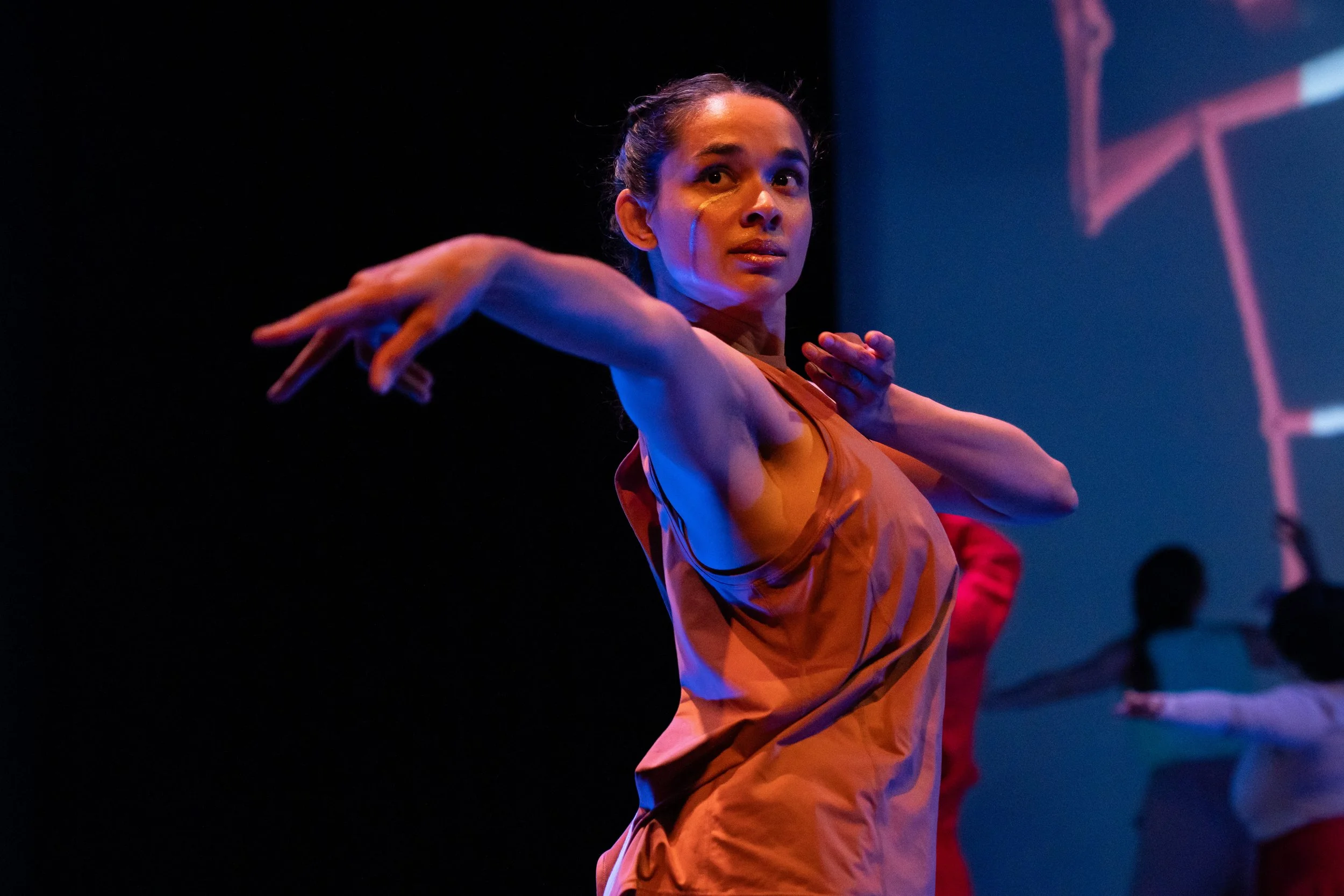
-
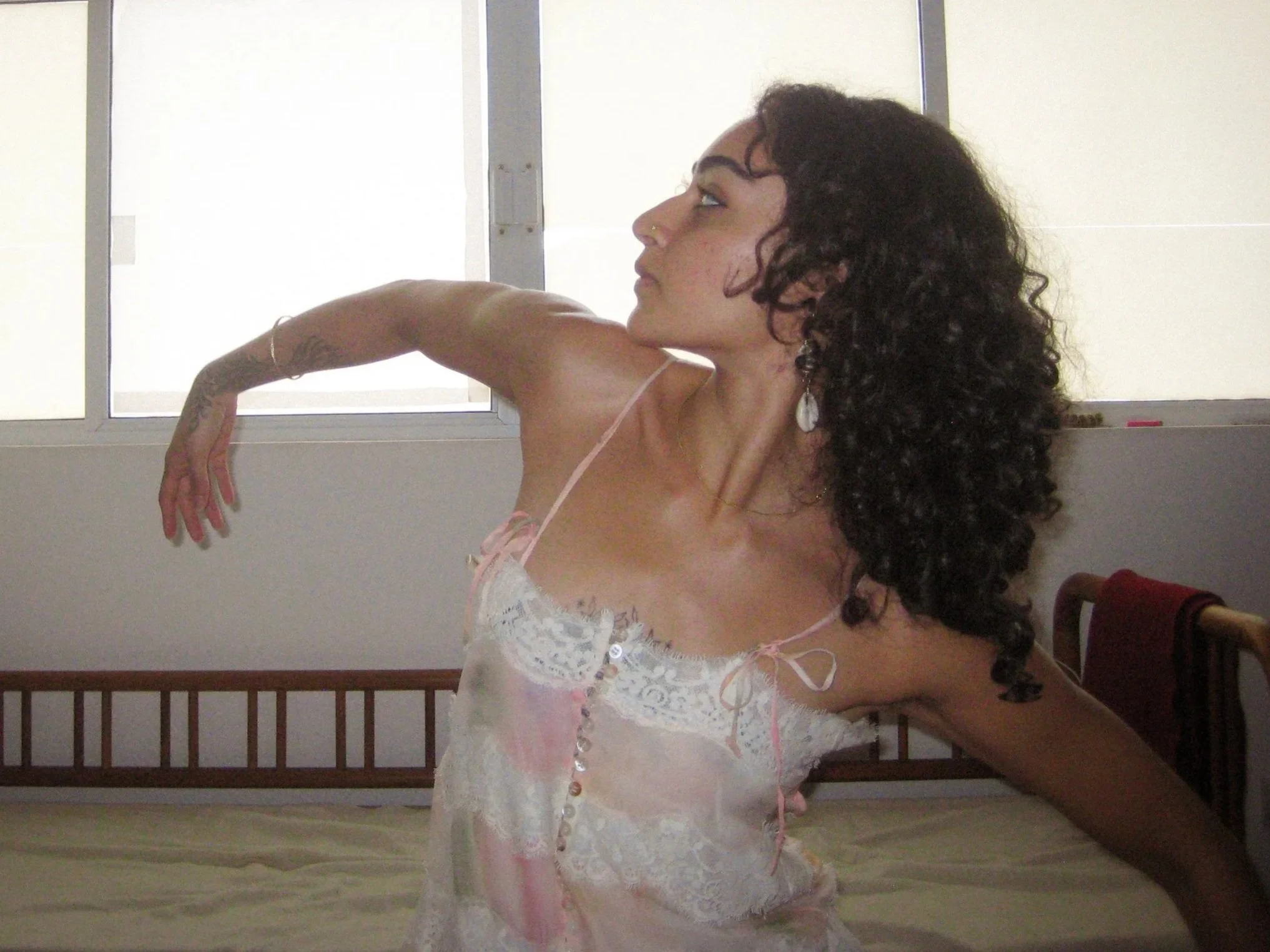
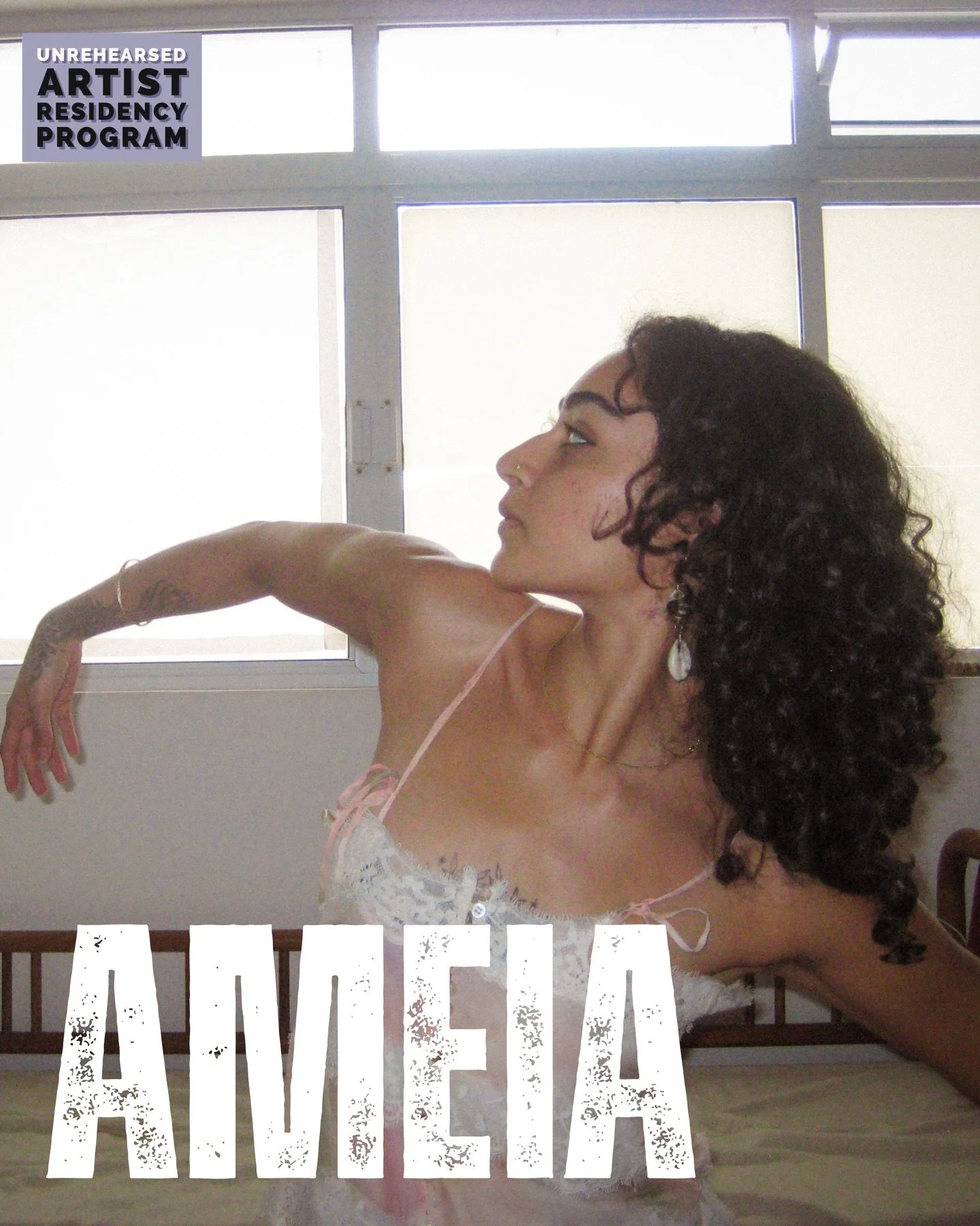
ameia’s first memories are of lemongrass, rain, and mosquito nets. she is of mixed afro-indian ancestry and is committed to the life and memory of the seeds, shells, and stories that live at the intersections of these diasporas. ameia’s creative work spans disciplines, including seed keeping, archiving, performance, and prose, and is grounded in the practice of ‘love [as] a commitment to attention’ (Deborah Thomas).
ameia holds a BA in Geography from UC Berkeley and trained with the Alonzo King LINES Ballet Training Ground in 2025. she was a company member with PUSH Dance Company from 2022-2026 and has performed at several venues including Dance Mission Theater, the Alvin Ailey Citigroup Theater, and the Minnesota Street Project. her recent explorations include drag and dance theater. currently, she is based in Los Angeles.
Follow @unrehearsed_artistres on instagram for updates
URP Past Cohort Members